Top Technology Innovations Driving Digital Transformation
Digital transformation is really important for businesses these days. If they want to stay competitive, they have to do it. Lots of companies are using technologies to make their work easier, better and more automated. They want to give their customers an experience to make smart decisions and save time. From Artificial Intelligence to Cloud Computing, these new technologies are changing how businesses work. In this blog, we will talk about the top technology innovations that are driving digital transformation. We will look at what they’re how they can help and what they will do in the future.
So what is Digital transformation?
It is when a business uses technologies to make everything better. This includes how they work, how they treat customers and how they make money. It is about using technologies to change how people work and using data to make good decisions.
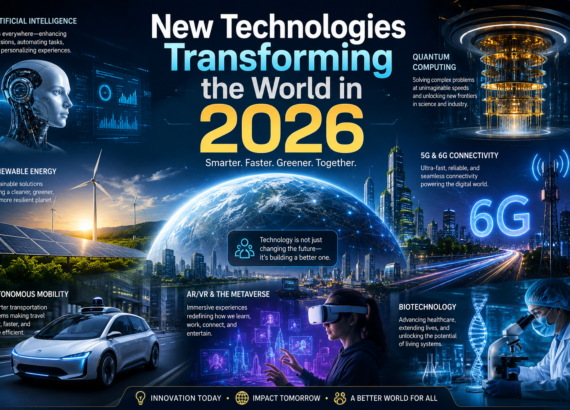
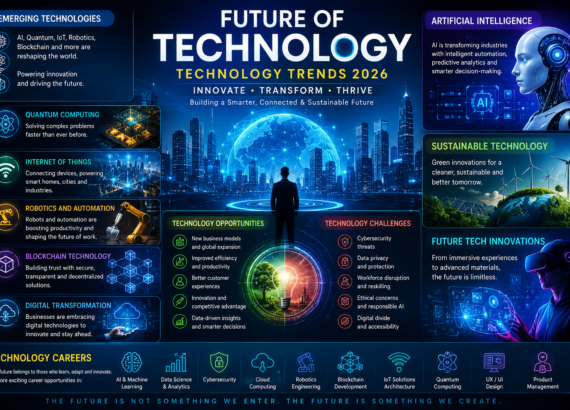
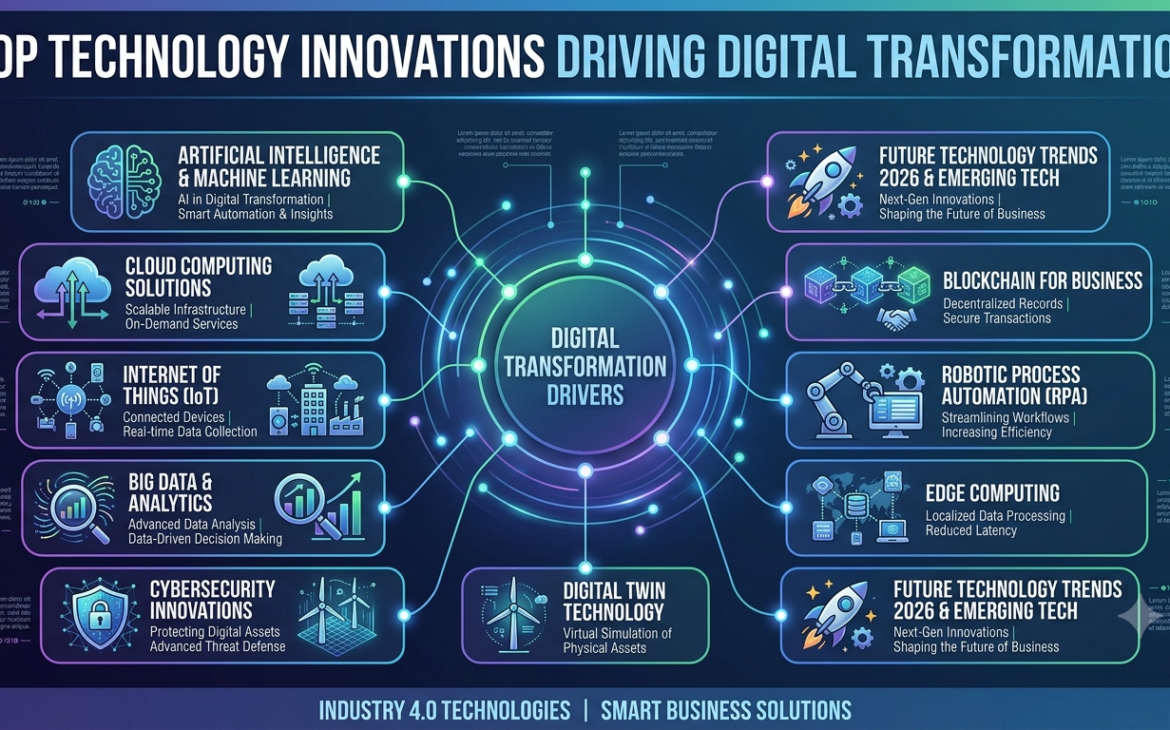
Today, digital transformation is powered by technologies like Artificial Intelligence, Cloud Computing, Internet of Things, Blockchain, Big Data Analytics, Edge Computing, Digital Twins and Cybersecurity solutions.
Here are the top technology innovations driving transformation:
1. Artificial Intelligence and Machine Learning
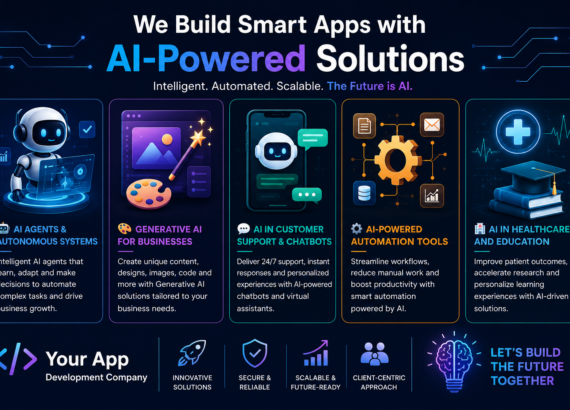
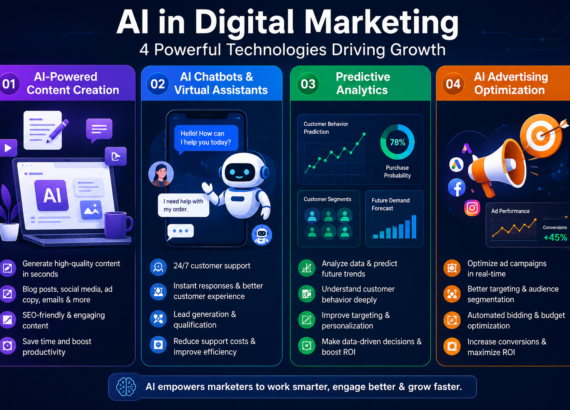
Artificial Intelligence is really important for digital transformation. It helps machines learn from data, do tasks and make smart decisions.
The benefits of Artificial Intelligence are:
– It automates business processes
– It helps customers through chatbots
– It makes better business forecasts
– It finds fraud and cybersecurity threats
– It gives customers a personalised experience
Artificial Intelligence is used in many industries like Healthcare, Banking, Retail, Manufacturing, Education and Logistics.
2. Cloud Computing
Cloud Computing is when businesses store data and applications on servers instead of on their own computers.
The benefits of Cloud Computing are:
– It saves money on infrastructure
– It is scalable
– It can be accessed from anywhere
– It helps people work together
– It updates software
Popular cloud platforms include AWS, Microsoft Azure and Google Cloud.
3. Internet of Things
The Internet of Things connects devices to the internet so they can collect and exchange data.
Examples of Internet of Things include:
– Smart factories
– homes
– Connected vehicles
– Healthcare monitoring devices
– Smart agriculture
The benefits of the Internet of Things for businesses are:
– Real-time monitoring
– Predictive maintenance
– Increased efficiency
– Reduced downtime
4. Big Data and Advanced Analytics
Big Data Analytics helps businesses turn data into information.
The advantages of Big Data Analytics are:
– decision-making
– Understanding customer behaviour
– Predicting market trends
– Managing risk
– Optimising revenue
Companies that use analytics have a big advantage over others.
5. Blockchain Technology
Blockchain is a ledger that records transactions securely.
The key features of Blockchain are:
– Transparency
– Security
– Tamper-proof records
– Faster transactions
– Reduced fraud
Blockchain is used in areas like Supply Chain, Finance, Healthcare, Government Services and Digital Identity.
6. Robotic Process Automation
Robotic Process Automation automates tasks using software robots.
Common tasks automated by Robotic Process Automation are:
– Invoice processing
– Payroll management
– Customer onboarding
– Data entry
– Report generation
The benefits of Robotic Process Automation are:
– It saves time
– It reduces errors
– It improves productivity
– It lowers operational costs
7. Edge Computing
Edge Computing processes information to where it is generated instead of sending it to central servers.
Why Edge Computing matters:
– processing
– Lower latency
– Better security
– Improved Internet of Things performance
Industries like manufacturing, healthcare and autonomous vehicles rely heavily on Edge Computing.
8. Digital Twin Technology
Digital Twin Technology creates a copy of physical assets, machines or systems.
The applications of Digital Twin Technology’re
– Manufacturing
– Smart Cities
– Aerospace
– Construction
– Automotive
– Energy
The benefits of Digital Twin Technology are:
– Predictive maintenance
– Simulation testing
– Performance optimization
– Cost reduction
– Better planning
9. Cybersecurity Innovations
As transformation increases, so do cyber threats. Modern cybersecurity solutions protect businesses from data breaches and cyberattacks.
Emerging cybersecurity technologies include:
– Artificial Intelligence-powered threat detection
– Zero Trust Security
– Multi-Factor Authentication
– Cloud Security
– Endpoint Protection
Cybersecurity is now a part of every digital transformation strategy.
10. Extended Reality
Extended Reality combines Augmented Reality, Virtual Reality and Mixed Reality.
Business applications of Reality are:
– Employee training
– Virtual meetings
– Product demonstrations
– Healthcare simulations
– Retail shopping experiences
Extended Reality enhances customer engagement and reduces operational costs.
The benefits of transformation technologies are:
– Increased operational efficiency
– Faster decision-making
– Better customer experiences
– Higher productivity
– Cost savings
– Improved business agility
– Enhanced data security
– Greater innovation opportunities
– Competitive advantage
– Increased revenue growth
Several industries are leading digital transformation, including:
– Healthcare
– Manufacturing
– Retail
– Banking
– Logistics
– Education
The future of digital transformation will be driven by:
– Agentic Artificial Intelligence
– Autonomous Robots
– Quantum Computing
– Artificial Intelligence-powered Cybersecurity
– Hyperautomation
– 6G Networks
– Sustainable Green Technologies
– Digital Twin Ecosystems
– Intelligent Edge Devices
– Human-Artificial Intelligence Collaboration
Businesses that invest in these innovations early will have a long-term competitive advantage.
Conclusion
In conclusion, digital transformation is no longer optional. It is necessary for businesses that want to succeed. Technologies like Artificial Intelligence, Cloud Computing, Internet of Things, Big Data, Blockchain, Digital Twins, Edge Computing and Cybersecurity are changing industries worldwide. By using these innovations, businesses can improve efficiency, reduce costs, give customers an experience, and stay ahead in a competitive market.
As technology keeps evolving, businesses that invest in transformation today will be better prepared to adapt, innovate and achieve sustainable growth in the future.
FAQs
1. What is digital transformation?
Digital transformation is when a business uses technologies to improve operations, customer experiences and overall performance.
2. Which technologies are driving transformation?
The major technologies driving transformation are Artificial Intelligence, Machine Learning, Cloud Computing, Internet of Things, Big Data Analytics, Blockchain, Digital Twins, Edge Computing, Robotic Process Automation and Cybersecurity.
3. Why is Artificial Intelligence important for transformation?
Artificial Intelligence automates tasks, enhances customer experiences, improves decision-making, predicts trends and increases efficiency across industries.
4. What industries benefit the most from transformation?
Healthcare, manufacturing, retail, banking, logistics, education, telecommunications and energy are among the industries that benefit the most from digital transformation technologies.
5. How can businesses start their transformation journey?
Businesses should assess their current processes, set clear goals, adopt suitable technologies, train employees, implement robust cybersecurity measures and continuously monitor and optimise their digital initiatives.
Thank you for reading
Buy Web Hosting at an affordable price: Buy Now.
If you want to build your website at an affordable price, contact www.nextrtechnology.com
Read more blogs: https://www.nextrtechnology.com/blog/