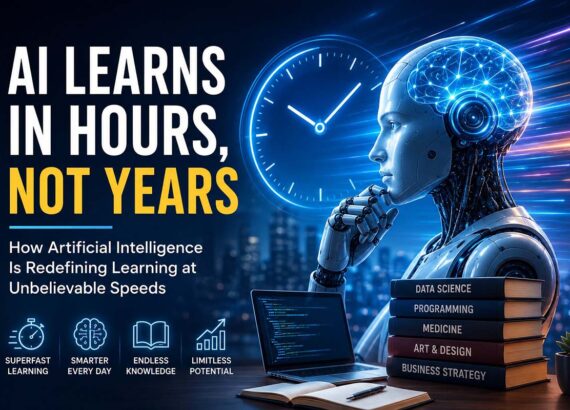
The Future of Technology: Trends, Opportunities and Challenges
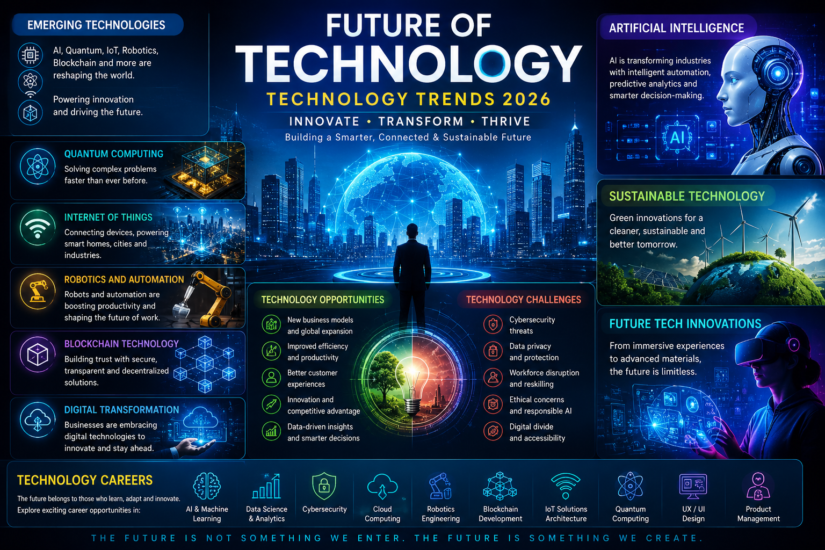
Technology is changing fast, and it is changing the way people live, work, talk to each other and do business. From intelligence and automation to quantum computing and sustainable innovations, the future of technology is going to bring a lot of new opportunities but it is also going to bring some big challenges. Companies, governments and individuals have to get used to these changes if they want to stay competitive and relevant in the world.
In this blog, we are going to talk about the technology trends that are shaping the future, the opportunities they are creating and the challenges that companies and society have to deal with.
The world is entering an era of technological innovation. New technologies are changing industries like healthcare, education, money, manufacturing, transportation and entertainment. As digital transformation happens all over the world, companies are spending a lot of money on new technologies to make things more efficient, make customers happier and grow their businesses.
While technology is really good for a lot of things, it also makes people worry about things like cybersecurity, privacy, ethics and how workers are going to adapt. It is really important to understand these trends if you want to do business in the future economy.
Key Technology Trends Shaping the Future
1. Artificial Intelligence and Machine Learning
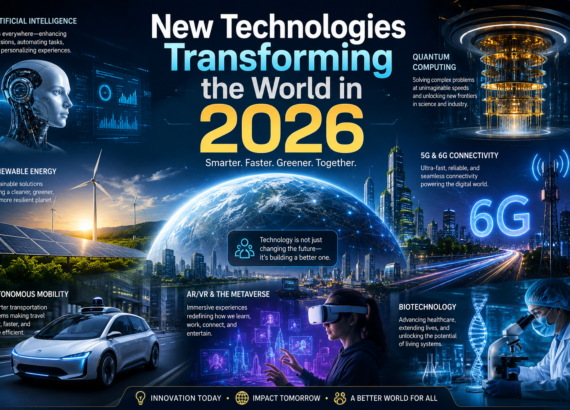
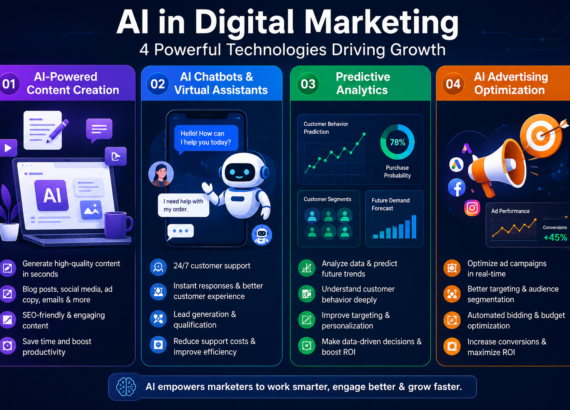
Artificial Intelligence is one of the important technologies of our time. Artificial Intelligence systems can look at a lot of data, do tasks that people do not want to do and make decisions.
Artificial Intelligence is used in things like:
* assistants and chatbots
* Predictive analytics
* Healthcare diagnostics
* Cars that can drive themselves
* Finding fraud
* Marketing that is just for you
As Artificial Intelligence gets better, companies are going to use it more to make things more efficient and to make customers happier.
2. Quantum Computing
Quantum computing can solve problems that regular computers cannot solve well. This technology is still new. It could change industries like:
* Finding medicines
* Understanding money
* Studying the climate
* Cybersecurity
* Making logistics better
Quantum computers might make scientific discoveries and innovations happen faster in the coming years.
3. Internet of Things
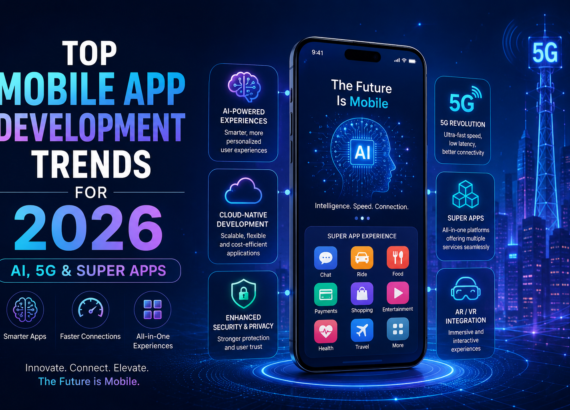
The Internet of Things connects devices, machines and systems to the internet so they can talk to each other. Share data in real time.
Examples include:
* homes
* Cars that are connected to the internet
* automation
* Smart cities
* Devices that you wear to stay healthy
The Internet of Things makes things more efficient, saves money and gives us information by collecting data all the time.
4. Extended Reality
Extended Reality is a combination of Reality, Augmented Reality and Mixed Reality that creates experiences that feel real.
Extended Reality is used more and more in:
* Education and training
*. Entertainment
* Simulations for healthcare
* Shopping
* Looking at an estate
As the devices that you need to use Extended Reality get cheaper, more people are going to start using it.
5. Robotics and Automation
Automation is changing industries by reducing the work that people have to do and making things more efficient. Modern robots can do tasks quickly and accurately.
Industries that are using robots include:
* Manufacturing
* Warehouses
* Healthcare
* Agriculture
* Logistics
Automation helps companies work better and reduces mistakes.
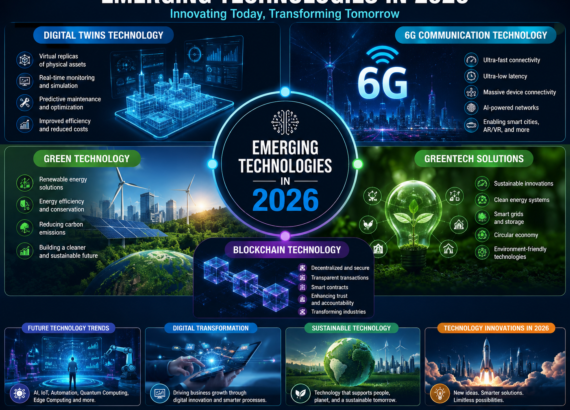
6. Green Technology and Sustainability
People are worried about the environment. There is a lot of innovation in sustainable technologies. Companies are spending money on solutions that reduce carbon emissions and use energy efficiently.
Examples include:
* energy systems
* Electric cars
* Smart energy grids
* Technologies that capture carbon
* Manufacturing processes that are
Green technology is going to play a big role in making the world more sustainable.
7. Blockchain Technology
Blockchain is a way to do transactions that is safe and transparent using systems that are not controlled by one person.
Blockchain is used in things like:
* Managing supply chains
* Verifying identities
* contracts
* Healthcare records
* Financial services
Blockchain can make things more trustworthy, safe and transparent in areas.
Opportunities Created by Future Technologies
Productivity
New technologies automate tasks that people do not want to do, so employees can focus on things that are more important and creative. Companies can work efficiently and save money.
New Jobs
New technologies are creating demand for professionals in areas like:
* Artificial Intelligence
* Cybersecurity
* Data Science
* Cloud Computing
* Robotics Engineering
* Blockchain Development
These careers are going to grow a lot in the coming years.
Better Healthcare
Technology is making healthcare better by using telemedicine, intelligence to diagnose diseases, devices that you wear to stay healthy and treatment plans that are just for you.
Healthcare providers can give more accurate and more accessible services.
Better Customer Experiences
Companies use analytics, artificial intelligence and automation to give customers experiences that’re just for them, which makes customers happier and more loyal.
Global Connection
Digital technologies connect people and companies around the world, which helps them work together, innovate and grow their economies.
Challenges Facing the Future of Technology
Cybersecurity Risks
As more people use technology, cyberattacks are getting more sophisticated. Companies have to spend money on security measures to protect their data and systems.
Common risks include:
* Ransomware attacks
* Data breaches
* Identity theft
* Phishing scams
Cybersecurity is going to be a priority for companies and governments.
Privacy Concerns
The way companies collect and use data is a big issue, and it raises questions about privacy and data protection.
Companies have to be transparent and follow data privacy rules to keep users trusting them.
Job Loss
Automation might replace some jobs, the ones that are repetitive. Workers have to learn skills to stay employable in a changing job market.
It is going to be really important to have programs that help people learn things and get new skills.
Ethical Issues
Artificial Intelligence and new technologies are raising issues like:
* Algorithmic bias
* Decision transparency
* Data ownership
* Responsible Artificial Intelligence development
Governments and companies have to make rules to guide the use of technology.
Digital Divide
Not everyone has access to new technologies. It is really important to bridge the divide to make sure that everyone can develop economically and socially.
Investing in infrastructure and education can help reduce the gap between people who have technology and those who do not.
Preparing for the Future
To succeed in the future, individuals and companies should:
* Keep learning things
* Develop digital skills
* Embrace innovation
* Prioritise cybersecurity
* Promote technology practices
* Stay informed about new trends
Being able to adapt is going to be one of the most valuable skills in the fast-changing digital world.
Conclusion
The future of technology is going to be really exciting. It has the potential to change every part of society. Artificial Intelligence, quantum computing, the Internet of Things, blockchain, robots and sustainable innovations are going to drive the wave of progress globally. These technologies create opportunities for growth, better healthcare, more productivity and new careers.
However, challenges like cybersecurity risks, privacy concerns, ethical issues and job loss have to be addressed in some way. Companies and individuals that embrace innovation, adapt and prioritise security are going to be the ones who succeed in the technology-driven future.
As technology keeps changing, it is going to be really important to stay informed and keep learning skills to succeed in the digital age.
Frequently Asked Questions (FAQs)
1. What is the future of technology?
The future of technology is about advancements in Artificial Intelligence, quantum computing, the Internet of Things, blockchain, robots and sustainable innovations that are going to change industries and everyday life.
2. Which technology will have an impact in the future?
Artificial Intelligence is going to have an impact because it can automate tasks, analyse data and make decisions better across industries.
3. What are the benefits of technologies?
New technologies make things more efficient, improve healthcare, create career opportunities and make customer experiences better.
4. What challenges come with advancement?
The biggest challenges are cybersecurity risks, privacy concerns, job loss, ethical issues and unequal access to technology.
5. How can companies prepare for technologies?
Companies should invest in digital transformation, train their employees, prioritise cybersecurity, innovate and adopt new technologies.
Thank you for reading
Buy Web Hosting at an affordable price: Buy Now.
If you want to build your website at an affordable price, contact www.nextrtechnology.com
Read more blogs: https://www.nextrtechnology.com/blog/