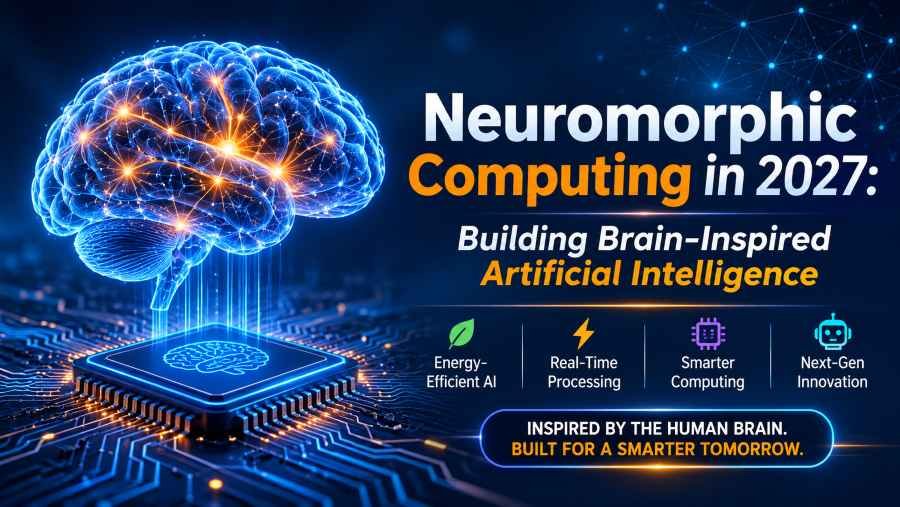
Artificial Intelligence is changing fast. It is changing how companies build software, handle data and work with tech. As AI systems get more advanced, the need for faster processing, lower power use and smart computing setups keeps growing. Old computing designs often need a lot of processing power and memory to handle AI jobs. To fix these problems, researchers and tech builders are looking into a way called Neuromorphic Computing. This tech takes ideas from how the human brain is built and how it works. The goal is to make computing systems that handle data more efficiently.
In 2027, neuromorphic computing is getting noticed as a path for the next wave of artificial intelligence, robotics, smart sensors and edge computing. Instead of using the usual computing methods, neuromorphic systems copy some natural rules. These include links, electrical signals and learning that adapts. This way could help make AI systems that react to data naturally and use less power for certain jobs. As companies put money into smart automation and advanced digital tools, brain-inspired computing may become a key part of the future tech world.
What Is Neuromorphic Computing and How Does It Work?
Neuromorphic Computing is a computing method that designs hardware and software based on the human nervous system. The human brain has billions of neurons linked by synapses. This lets it handle data, spot patterns, learn from what happens and react to situations. Neuromorphic tech tries to copy some rules of this network using special computer chips, electronic circuits and artificial neural models.
Unlike computing systems, which usually keep memory and processing apart, neuromorphic designs try to bring computing and memory closer. This cuts down data movement and can boost processing efficiency. One key tech behind this method is Spiking Neural Networks (SNNs). These networks communicate through electrical-like signals called spikes. These spikes show data through the timing and rate of events. Instead of always processing every input, an event-driven neuromorphic system can stay idle until useful data comes in.
Another key feature is processing. The human brain does things at once. Neuromorphic systems try to use a spread-out design. Different artificial neurons can handle data on their own while talking to linked units. This setup is really helpful for jobs like real-time sensing, pattern spotting and smart decision-making.
Neuromorphic computing also uses hardware. This includes processors, memristor-based devices and new photonic computing designs. Memristors are parts that can hold data about their past electrical states. This makes them good candidates for making synapses. Meanwhile, photonic neuromorphic computing looks at using light-based processing to support fast data handling and power-efficient smart systems. These steps are opening up options for brain-inspired artificial intelligence.
Key Benefits and Real-World Applications of Neuromorphic Computing in 2027
One of the pluses of neuromorphic computing is its potential for low-power processing. Modern AI apps need a lot of computing resources. This is especially true when handling datasets or running all the time. Neuromorphic designs can cut computations by handling data through event-driven steps. This makes them promising for jobs where low power use and constant operation matter.
Another big. Is low-latency processing. Since neuromorphic systems can handle events on the spot and use event-driven computing designs, they could support faster responses in time-sensitive settings. This skill is really valuable for self-driving machines, robotics and smart monitoring systems. Their brain-inspired design may also support learning. This lets some systems react to changing settings without relying on repeated cloud-based processing.
In healthcare, neuromorphic computing could support medical devices, wearable monitoring systems and advanced signal analysis. For example, special systems may help handle data from sensors that track heart activity, movement patterns and other body signals. Their ability to analyse events efficiently could make them useful for building small and responsive healthcare tech.
In robotics and self-driving systems, neuromorphic processors could help machines understand data, recognise objects and react to changes around them. Robots working in changing places need to handle audio and movement data fast. Brain-inspired computing may help improve real-time perception and decision-making while cutting the power needs of some operations.
The Internet of Things (IoT) is another area. Smart devices, industrial sensors and connected monitoring gear often run with limited power and computing resources. Neuromorphic computing can support edge intelligence by handling data where it is made. This can cut reliance on cloud setup, reduce data transmission and improve response times.
Neuromorphic tech may also help manufacturing, industrial automation, intelligent transportation and cybersecurity. In these settings, special systems could spot odd machine behaviour, analyse sensor signals and support predictive maintenance. In transportation, event-based vision systems could help detect movement and spot important changes around them. These uses show why neuromorphic computing is drawing interest across tech sectors.
Future of Neuromorphic Computing: Challenges and Opportunities for Businesses
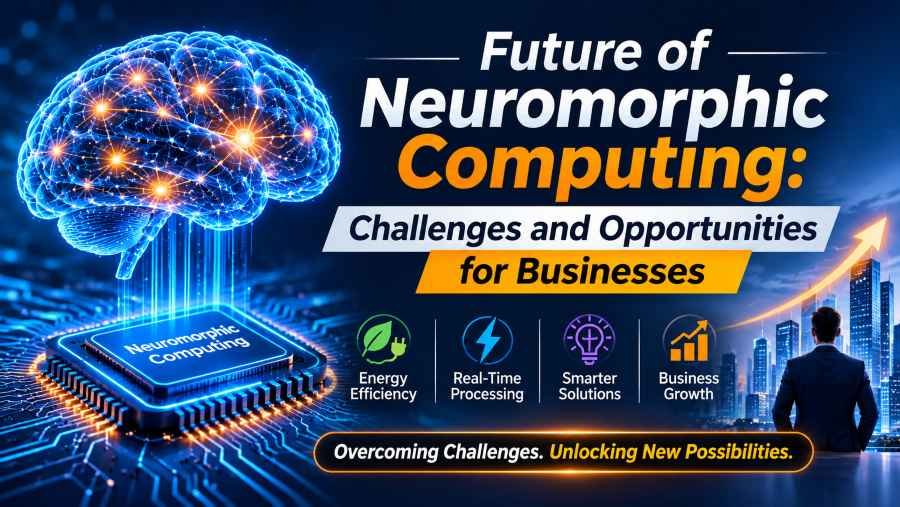
The future of computing in 2027 and beyond will rely on better hardware design, software development, artificial intelligence algorithms and commercial scalability. The tech offers options, but it is still growing. It faces hurdles before becoming a mainstream computing solution.
One big hurdle is building neuromorphic hardware. Designing processors that can efficiently support millions of neurons and complex neural links needs advanced semiconductor tech and special engineering. Hardware reliability, manufacturing costs and fitting in with existing computing setups are also things to consider.
Software compatibility is another concern. Usual AI apps are built for traditional processors and graphics processing units. Neuromorphic systems often need programming frameworks, simulation environments and algorithms. This is especially true for training and deploying spiking networks. Developers need tools to make these systems easier to design, test and fit into existing digital platforms.
Another hurdle involves standardisation and performance evaluation. Companies need benchmarks to compare neuromorphic processors with traditional AI hardware. Power efficiency, processing speed, accuracy, scalability and total system costs must all be weighed when judging their value. Neuromorphic computing will not replace computing in every job. Instead, hybrid designs that mix CPUs, GPUs and special neuromorphic processors may offer answers for different workloads.
For tech companies, the new chances are big. Companies building intelligence platforms, IoT solutions, robotics software and smart automation systems should watch the steps in brain-inspired computing. Mixing AI tech with scalable software designs can help organisations get ready for future digital needs.
At NEXTR Technology, innovation in intelligence, software development, website development and digital transformation remains key for building modern business solutions. As computing tech keeps changing, understanding paths like neuromorphic computing can help companies spot new chances for smarter apps, efficient automation and smart digital experiences.
Conclusion
Neuromorphic Computing is a step towards more low-power and adaptive artificial intelligence. By taking ideas from the brain, this tech aims to get past some limits of old computing. It does this through processing, event-driven communication and designs that combine memory and processing. From robotics and healthcare to industrial automation, its possible uses could shape the next wave of smart tech. Hardware scalability, software compatibility and commercial adoption remain hurdles. Still, ongoing research is creating chances for innovation. In 2027, neuromorphic computing is worth watching as companies and tech builders look for efficient ways to build the future of artificial intelligence.
Frequently Asked Questions (FAQs)
1. What is neuromorphic computing in simple terms?
Neuromorphic computing is a brain-inspired computing technology that copies some functions of the nervous system. It uses hardware and neural models to handle data through linked artificial neurons and event-based signals.
2. How is neuromorphic computing different from traditional computing?
Old computers usually keep memory and processing operations apart. Neuromorphic systems try to bring them together. They also use event-driven processing and parallel designs based on neural networks.
3. What are the major applications of computing in 2027?
Big possible uses include intelligence, robotics, self-driving systems, healthcare monitoring, IoT devices, industrial automation, smart sensors and edge computing.
4. Can neuromorphic computing improve AI energy efficiency?
Yes. Neuromorphic computing could cut power use in these jobs through event-driven processing, sparse neural activity and special hardware designs. Real efficiency depends on the hardware, software and workload.
5. What is the future of computing?
The future of computing includes advanced AI processors, smart robotics, adaptive edge devices, smart sensors and hybrid computing systems. Ongoing research and hardware development could expand its uses.
Thank you for reading
Buy Latest Tech Gadgets and Laptops: Click Here
Buy Web Hosting at an affordable price: Buy Now.
If you want to build your website at an affordable price, contact www.nextrtechnology.com
If you want to build your website at an affordable price, contact www.nextrtechnology.com
Read more blogs: https://nextrtechnology.com/blog/