The Future of Mobile App Development
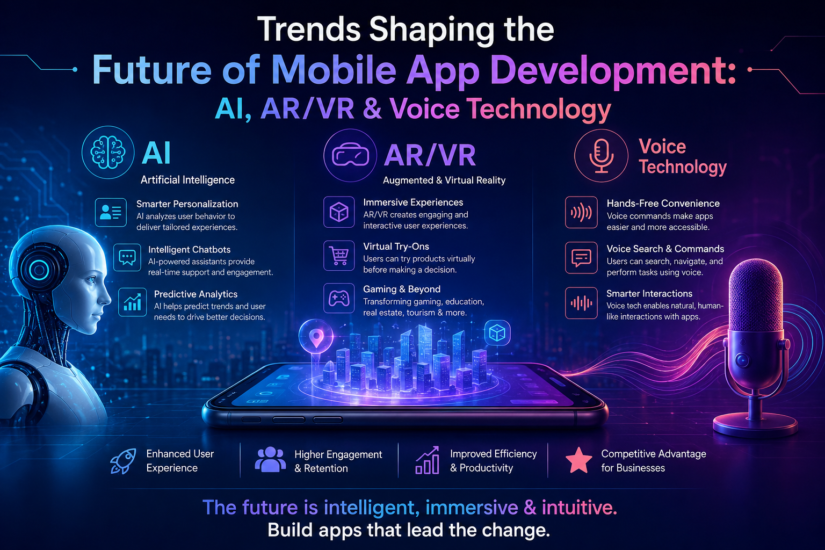
Mobile app development is changing at lightning speed, fueled by innovative technologies that are reshaping how we engage with digital products. From smart chatbots to captivating AR/VR experiences and voice-activated interfaces, businesses are jumping on the innovation bandwagon to keep up with the competition. This blog takes a closer look at five key trends in mobile app development that are paving the way for the future and highlights why they’re essential for today’s apps.
Generative AI & In-App Chatbots
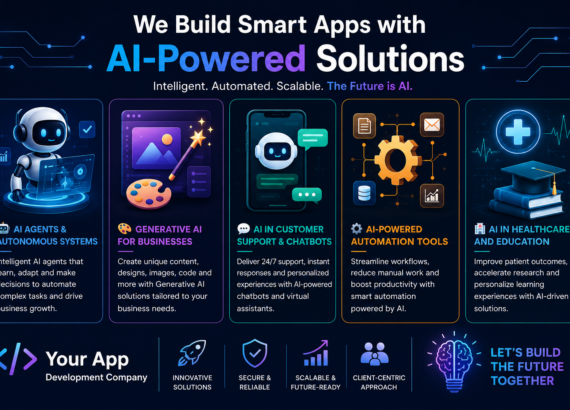
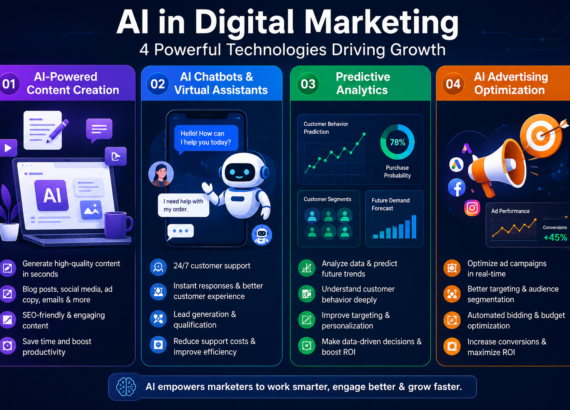
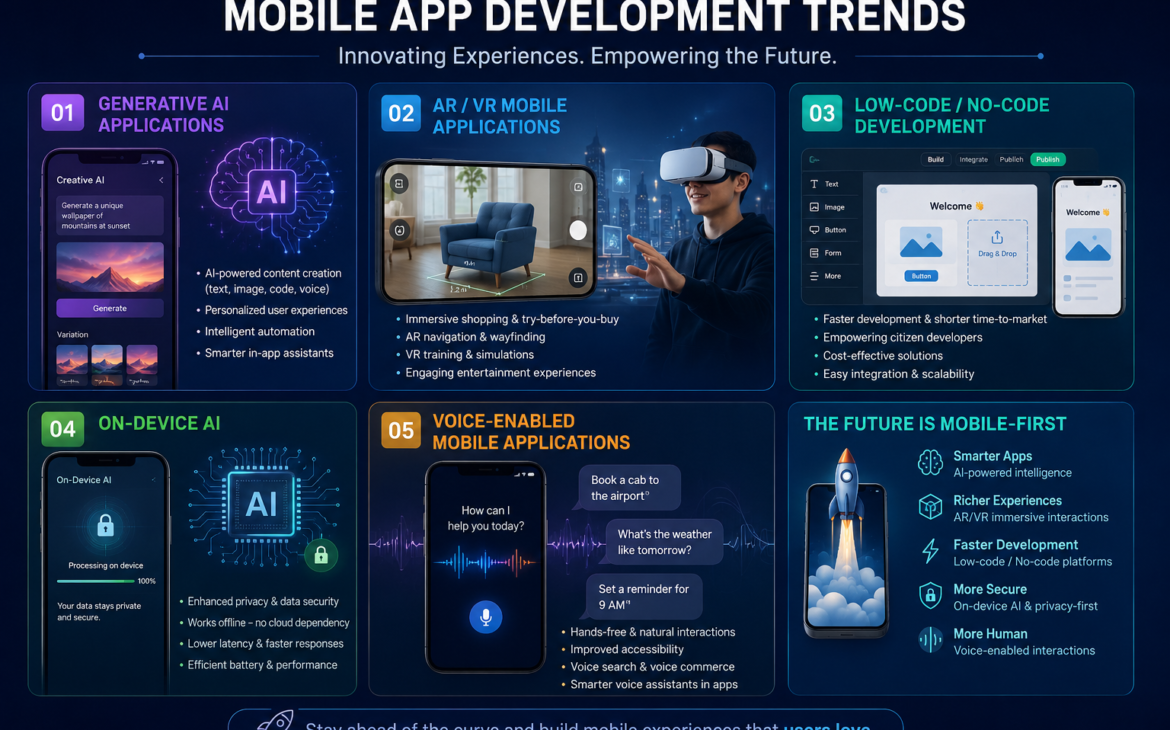
Generative AI is revolutionising mobile applications by facilitating more intelligent, human-like interactions. AI-powered in-app chatbots can grasp context, craft natural responses, and learn continuously from user interactions.
These savvy assistants are commonly utilised for customer support, onboarding, personalised suggestions, and real-time issue resolution. Unlike the old-school rule-based bots, generative AI chatbots can adapt on the fly, making conversations more engaging and effective.
For businesses, this translates to lower operational costs, quicker response times, and happier customers. For users, it means getting instant, tailored help right within the app—whenever and wherever they need it.
AR/VR-Enabled Interactive Experiences
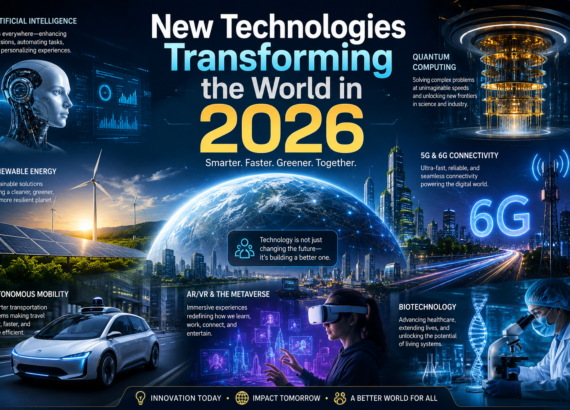
Augmented Reality (AR) and Virtual Reality (VR) are changing the game when it comes to how users interact with mobile apps. AR adds digital elements to our real-world surroundings, while VR takes users on a journey into a fully virtual space.
Various industries, including eCommerce, real estate, education, healthcare, and gaming, are embracing AR/VR to elevate user engagement. Whether it’s trying on products virtually or diving into interactive learning experiences, these technologies make apps not just more engaging but also unforgettable.
By weaving AR/VR into their offerings, businesses can enhance user interaction, boost conversion rates, and create distinctive experiences that help their apps stand out in a crowded market.
Low-Code & No-Code App Development
Low-code and no-code platforms are shaking up the app development landscape by making it quicker and more affordable to create mobile applications. These platforms empower developers—and even those without a tech background—to craft apps using user-friendly visual interfaces and ready-made components.
This method dramatically cuts down on development time, speeds up the launch process, and reduces costs. Companies can swiftly prototype ideas, test out features, and scale their applications without getting bogged down in complex coding.
Low-code and no-code solutions are particularly advantageous for startups, small to medium-sized enterprises, and larger organisations eager to innovate quickly while keeping their options open.
On-Device AI for Faster & Private Processing
On-device AI is really taking off, focusing on processing data right on the user’s device instead of depending on cloud servers. This shift not only boosts app performance but also cuts down on latency and enhances data privacy.
By running AI models locally, apps can provide quicker responses, function offline, and reduce the risks associated with data transfer. This is especially crucial for applications that deal with sensitive information like healthcare, finance, and personal data.
On-device AI guarantees a smoother user experience while addressing the increasing concerns about data security and privacy regulations.
Voice-Enabled & Conversational Interfaces
Voice-enabled interfaces are gaining traction as users look for hands-free, intuitive ways to engage with mobile apps. Voice commands and conversational UIs make apps more accessible and convenient for a variety of tasks.
From voice search and smart assistants to voice-controlled navigation, this technology significantly enhances usability and user engagement. It’s particularly impactful in smart devices, automotive applications, and those focused on accessibility.
As natural language processing (NLP) keeps evolving, voice-enabled apps are set to become even more accurate, conversational, and user-friendly.
Frequently Asked Questions (FAQs)
What is generative AI in mobile apps?
Generative AI empowers apps to craft dynamic responses, create content, and engage in conversations, which leads to smarter chatbots and tailored user experiences.
How does AR/VR benefit mobile applications?
AR/VR boosts user engagement by delivering immersive and interactive experiences, which in turn enhances retention and conversion rates.
Are low-code and no-code platforms secure?
Absolutely! Most modern platforms come equipped with enterprise-level security, but it’s wise to assess customisation and scalability based on your specific business needs.
Why is on-device AI important?
On-device AI provides quicker processing, allows for offline functionality, and enhances data privacy by reducing reliance on the cloud.
How do voice-enabled interfaces improve apps?
They facilitate hands-free interaction, enhance accessibility, and speed up navigation, all of which contribute to a better overall user experience.
Conclusion
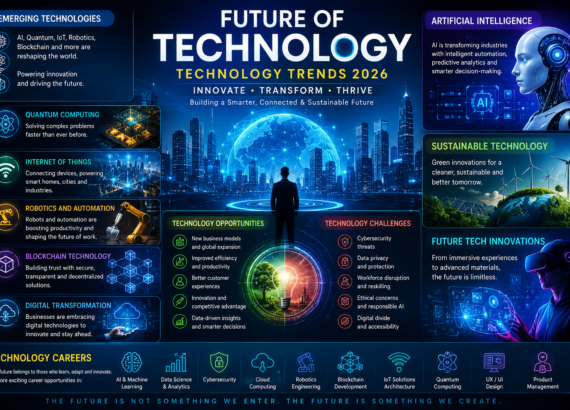
The future of mobile app development is all about creating intelligent, immersive, and user-focused technologies. Innovations like generative AI, AR/VR, low-code platforms, on-device AI, and voice-enabled interfaces are transforming the way we experience apps and raising the bar for what’s possible.
Companies that jump on these trends early can build powerful, scalable, and engaging mobile applications that align with the ever-changing expectations of users. Embracing these technologies isn’t just a nice-to-have anymore; it’s a must for achieving long-term success in the competitive app landscape.
Thank you for reading
Buy Web Hosting at an affordable price: Buy Now.
If you want to build your website at an affordable price, contact www.nextrtechnology.com
Read more blogs: https://www.nextrtechnology.com/blog/