Website Development Trends 2026: What Every Business Needs to Build a Modern, High-Performing Website
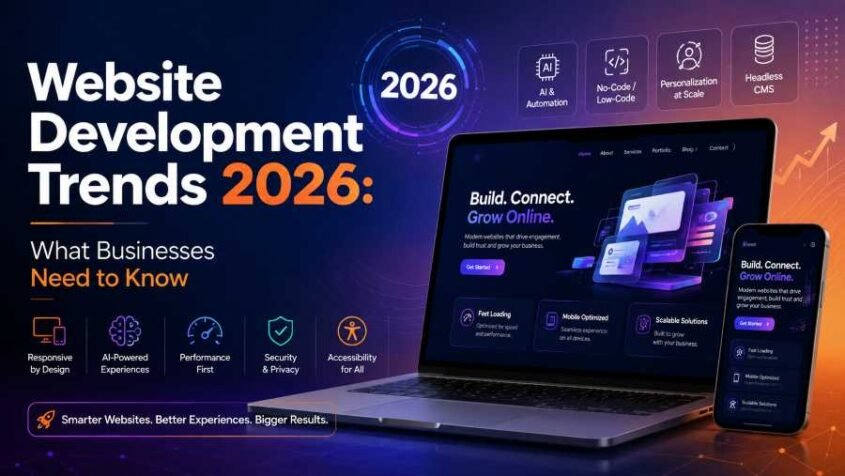
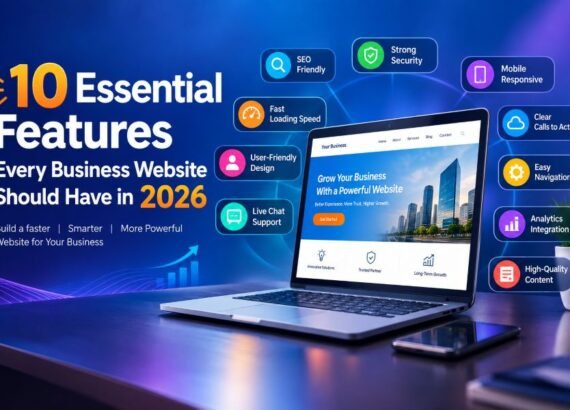
Here’s a number worth sitting with: an estimated 82.68 percent of websites online today are inactive — outdated, abandoned, or simply left to stagnate. For businesses willing to invest in a website that’s fast, secure, and genuinely current, that statistic isn’t discouraging, it’s an opportunity. User expectations around speed, personalization, and security have never been higher, and the tools available to meet those expectations have never been more powerful. Here’s a look at the website development trends actually shaping what gets built in 2026, and what they mean if you’re planning a new site or a redesign.
AI Is Now Part of Every Serious Development Workflow
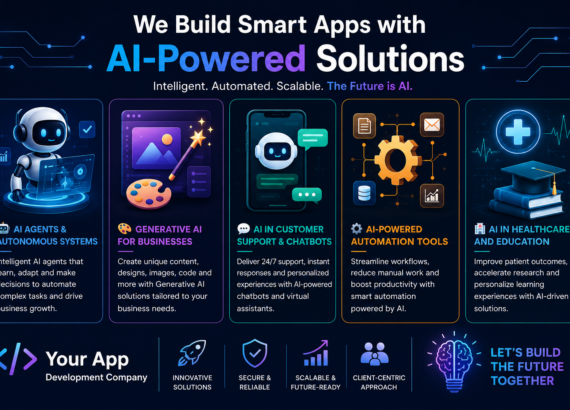
AI-assisted coding has moved well past the experimental stage. More than 70 percent of developers now use tools like GitHub Copilot, Cursor, and Codeium daily, and these tools have evolved from simple autocomplete into systems capable of scaffolding entire full-stack applications from a design file or a plain-language prompt. The practical result: development timelines that used to take months can now often be compressed into weeks. Developers who integrate AI thoughtfully into their workflow are shipping faster and more efficiently, while teams that stick to entirely manual coding risk falling behind on both speed and cost.
Meta-Frameworks Are the New Default Starting Point
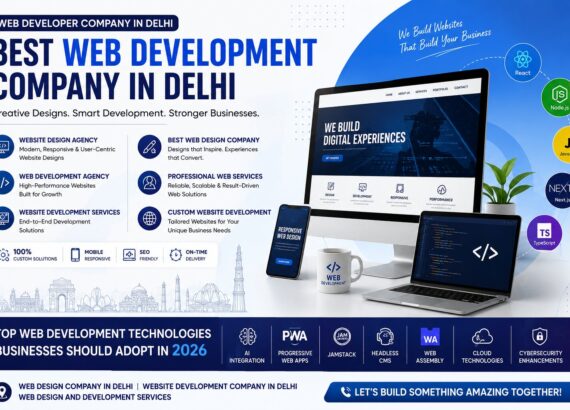
Frameworks like Next.js and Nuxt have evolved from optional add-ons into the standard entry point for most professional web projects in 2026. These meta-frameworks bundle routing, rendering, and performance optimization into a single toolkit, which means development teams spend less time on boilerplate setup and more time on the actual product. For businesses, this translates into faster project timelines and websites that perform well on both speed and SEO right out of the gate.
The Web Goes Server-First Again
For years, web development leaned heavily on shipping large JavaScript bundles to the browser and letting the user’s device do the heavy lifting, often resulting in loading spinners and sluggish first impressions. In 2026, that pendulum has swung back toward server-first rendering. With widespread adoption of React Server Components and server-side rendering, frameworks now render pages on the server by default and send browsers only the JavaScript that’s actually needed. The result is websites that feel instant rather than gradually assembling themselves in front of the user.
Native Browser Features Are Replacing Heavy JS Libraries
Modern browsers now natively support interactive patterns — popovers, dialogs, scroll-driven animations — that used to require custom JavaScript libraries just to function properly. This shift means developers can build polished, interactive experiences without adding as much extra code and load time to a site, resulting in leaner, faster-loading websites that still feel dynamic and modern.
WebAssembly for Performance-Critical Applications
WebAssembly has moved out of the demo phase and into real production use for specific, performance-heavy applications where JavaScript alone can’t keep up — think video editing tools, CAD applications, game engines, and complex data visualization running directly in the browser. It allows code written in languages like C, C++, and Rust to run at near-native speed. For the vast majority of standard business websites, JavaScript and TypeScript remain the right tools, but for organizations building performance-critical web applications, WebAssembly is now a genuinely practical option.
Accessibility Is Now an SEO Advantage, Not Just Compliance
Accessible design has shifted from a checkbox exercise late in a project to a consideration built into development from day one. That shift makes business sense beyond ethics and compliance: search engines reward accessible websites, since the technical practices behind good accessibility — proper heading structure, alt text, keyboard navigation, and clean semantic markup — overlap significantly with the fundamentals that also improve search visibility and overall user experience.
Security Can’t Be an Afterthought
An estimated 20 percent of websites face security vulnerabilities during the development process itself, not just after they go live. As cyber threats grow more sophisticated, building security reviews and best practices into the development pipeline from the start, rather than patching issues after launch, has become essential rather than optional for any business serious about protecting user data and maintaining trust.
Design Trends: Stripped-Back Copy, Motion, and a Human Touch
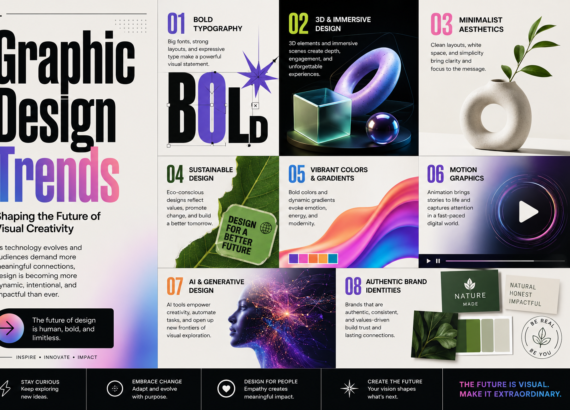
On the design side, several notable shifts are shaping how 2026 websites look and feel. Many B2B websites are deliberately stripping their copy back to the essentials, giving visitors just enough information to understand who a company is and what it does before encouraging them to get in touch directly, rather than overwhelming them with dense text. Thoughtful motion design — scroll-triggered animations, hover effects, smooth page transitions — is being used to guide attention and create a more intuitive journey, without sacrificing performance. And as AI-generated visuals become more common and increasingly uniform, some brands are deliberately leaning into hand-drawn, human-scribble style elements layered over clean typography to feel more personable, crafted, and distinct from generic AI-produced design.
What This Means for Your Website Project in 2026
- Prioritize a fast, server-first build over a JavaScript-heavy one — speed directly affects both user experience and search rankings.
- Choose a development team that uses AI tooling responsibly to move faster, without sacrificing code quality or architecture decisions that still require human judgment.
- Build accessibility and security into the project from the planning stage, not as a final checklist item before launch.
- Keep your website copy focused and let design and motion do some of the storytelling, especially if you’re targeting business or professional audiences.
- Treat your website as an ongoing asset that needs regular updates, not a one-time project — with the majority of sites going stale, consistent maintenance is itself a competitive advantage.
Choosing the Right Website Development Partner
With so many frameworks, AI tools, and design approaches now available, the hardest part of a website project often isn’t the technology itself — it’s knowing which combination of tools actually fits your business, budget, and timeline. An experienced development team brings more than technical execution; they help translate trends like server-first rendering, accessibility, and AI-assisted workflows into a website that’s genuinely built for your audience, not a generic template dressed up with buzzwords. That includes making smart calls on framework choice, planning for scalability as your business grows, and setting up a maintenance plan so your site doesn’t quietly join the ranks of the internet’s many abandoned pages a year or two after launch.

Conclusion
Website development in 2026 is defined by a clear theme: doing more with less friction. AI is speeding up how sites get built, server-first architecture is making them feel faster to use, and accessibility and security are finally being treated as foundational rather than optional. At the same time, thoughtful design choices — stripped-back messaging, purposeful motion, and a bit of human personality — are helping businesses stand out in a web full of inactive, outdated sites. Whether you’re launching a new website or revisiting one that’s been neglected, aligning your project with these fundamentals will do far more for your business than chasing any single trend in isolation.
Frequently Asked Questions (FAQs)
Q1. Is AI replacing web developers in 2026?
No, but it is changing how developers work. Over 70 percent of developers now use AI-assisted coding tools daily to scaffold components, catch bugs, and speed up repetitive tasks, cutting development timelines from months to weeks in many cases. Human judgment is still essential for architecture decisions, design quality, and business logic that AI can’t infer on its own.
Q2. What is a meta-framework, and why does it matter for my website?
A meta-framework, such as Next.js or Nuxt, is a complete toolkit built on top of a JavaScript framework that handles routing, rendering, and performance optimization out of the box. In 2026, meta-frameworks have become the standard starting point for most professional websites because they reduce setup time and deliver better performance and SEO than building everything from scratch.
Q3. Why does website loading speed matter so much for SEO?
Search engines factor page speed and overall user experience into how they rank websites, and slow-loading pages tend to see higher bounce rates. Server-first rendering approaches, which send less JavaScript to the browser, are one of the main reasons 2026 websites are able to load and feel faster than in previous years.
Q4. How much does website security matter during development?
A great deal — an estimated 20 percent of websites face security vulnerabilities during the development process itself, not just after launch. Building security checks into the development workflow from day one is far more effective and cost-efficient than trying to patch vulnerabilities after a site goes live.
Q5. Does website accessibility actually affect my search rankings?
Indirectly, yes. Search engines reward accessible websites because accessible design practices — clear structure, proper heading hierarchy, alt text, and keyboard navigation — overlap heavily with the technical fundamentals that also improve SEO performance and overall user experience.
Q6. How often should a business redesign or update its website?
There’s no fixed rule, but with a large share of websites going inactive or outdated within a few years, regularly reviewing your site’s speed, design relevance, and content freshness — rather than waiting for a full redesign every several years — tends to keep a website far more competitive and secure.
Thank you for reading
Buy Latest Tech Gadgets and Laptops: Click Here
Buy Web Hosting at an affordable price: Buy Now.
If you want to build your website at an affordable price, contact www.nextrtechnology.com
If you want to build your website at an affordable price, contact www.nextrtechnology.com
Read more blogs: https://www.nextrtechnology.com/blog/